
If you’re hoping to turn your plugin profit site into a reliable stream of income, nailing down the right strategies can make all the difference. I’ve tested plenty of approaches through my own sites and picked up some practical know-how along the way. Building a plugin profit site isn’t just about throwing plugins together and hoping for sales. There’s a real art to setting things up, getting the word out, and keeping the profits steady. Here’s what I’ve learned about making this kind of site worth your while.
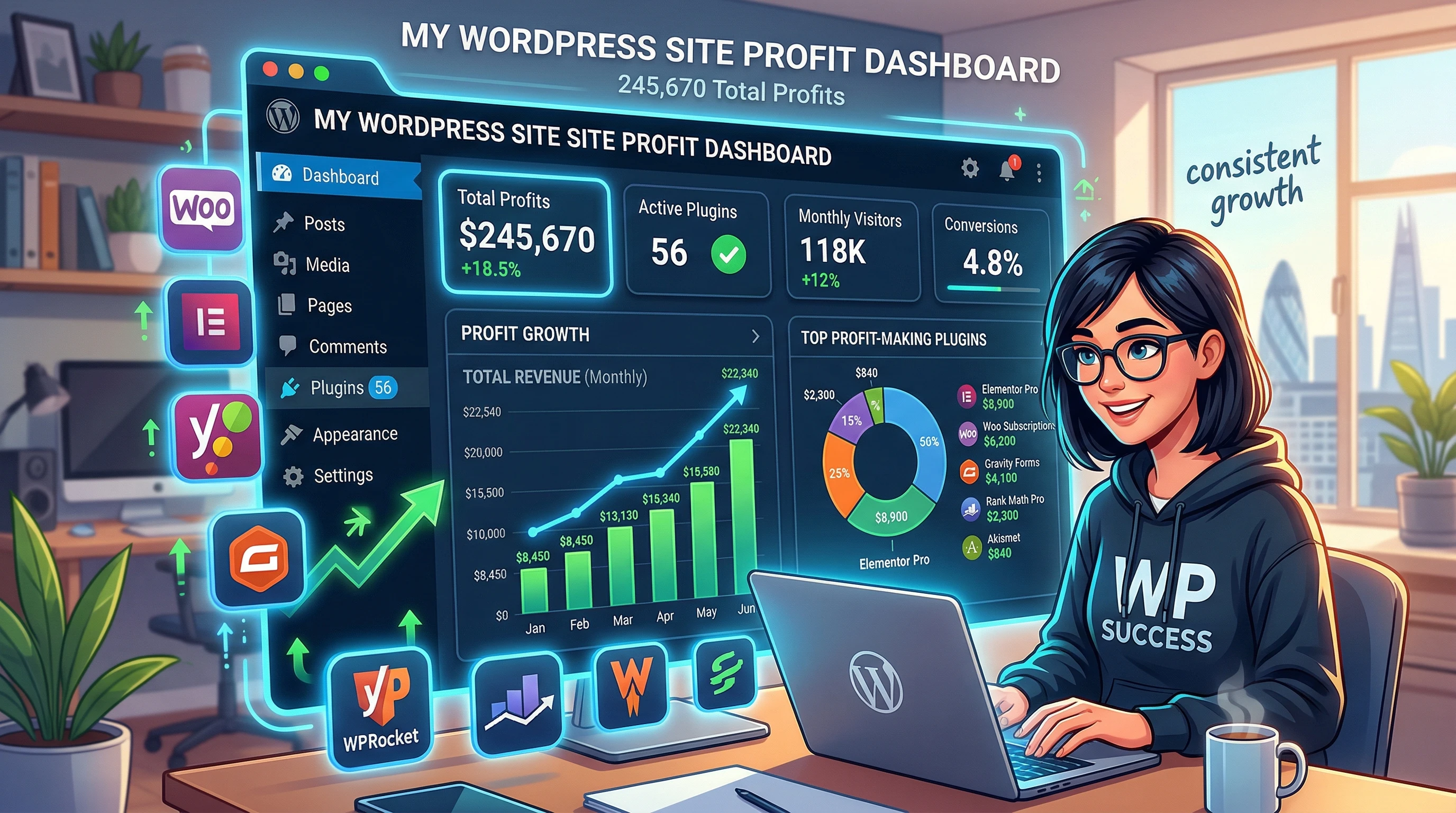
What is a Plugin Profit Site?
A plugin profit site is basically a website that focuses on selling, promoting, or providing plugins (think tools, add-ons, or apps) for platforms like WordPress, Shopify, or any popular website system. Some folks create their own plugins and sell them directly, while others review, recommend, or even bundle plugins and earn referral income. The main goal is to turn those plugins, whether they’re free, paid, or freemium, into a steady revenue source.
This type of site usually leans on a combination of digital sales, affiliate commissions, and sometimes even recurring subscriptions. The cool thing about a plugin profit site is that, done right, it doesn’t just pay once. It can keep earning as users renew subscriptions or grab your recommendations. Plus, a well-maintained plugin profit site often attracts a loyal user base that trusts your suggestions and comes back for more tools or updates, creating a self-sustaining cycle of engagement and earnings.
The Four Best Strategies To Increase Profits with Plugin Profit Sites
After loads of trial and error, I’ve found that these four strategies consistently bring in better profits for plugincentric sites. Each one builds on the unique strengths of plugins in the tech landscape and has proved itself both for my own projects and in conversations with other site owners in the space.
- Focus On High Demand Niches: Picking a niche with a real demand for plugins is super important. For example, plugins for SEO, eCommerce, online scheduling, and security tools tend to have bigger crowds looking for solutions. I usually start by researching what website owners are struggling with (using forums, Reddit, Facebook groups, etc.) before deciding which plugins to promote or develop. Taking time to check in with niche communities can also help you stay ahead of emerging plugin trends before they hit the mainstream.
- Build Recurring Revenue Models: Subscriptionbased plugins or addons are more reliable for longterm income compared to single sales. This could be monthly or yearly pricing. If you’re working as an affiliate, look for plugin creators who pay recurring commissions. This way, each new user adds to your baseline over time, building predictable monthly or annual income instead of having to start from scratch each month.
- Create Helpful Content and Tutorials: People love tutorials, reviews, and walkthroughs showing how a plugin works (especially if it solves a real problem). These can pull in organic traffic and build trust. I find that detailed howto posts, comparison videos, and troubleshooting guides help keep visitors on the site and send more buyers to affiliate links. Blogs that focus on user problems and solve them with actionable advice seem to fare best in both search engines and with human readers.
- Leverage Email Marketing and Retargeting: Building an email list lets you stay connected with buyers, send out product updates, crosspromote related plugins, and offer discounts. When paired with retargeting ads, this brings back folks who visited but didn’t buy, giving you a second or third shot at earning a sale. Email also helps you announce plugin updates, launch specials, or run quick surveys to see what your readers want next.
Mix and match these, and you’ll see a big difference in both your traffic and your conversion rates. In my experience, sticking with them for the long term is what makes the biggest impact, so be patient as your efforts start to snowball.
What Type of Plugin Profit Website Makes the Most Money?
Not all plugin profit sites are created equal. Some approaches really pull in bigger payouts. Sites that do best usually have a few things in common:
- Premium Plugin Marketplaces: These websites sell their own plugins or host a variety of thirdparty plugins, often taking a cut from each sale. Think of popular sites like CodeCanyon or specialty plugins developers who offer their products right from their own store. The advantage here is in volume and reputation; if your site hosts multiple soughtafter plugins, you can scale up as more developers and customers use your platform.
- Authority Review Sites: Blogs or resource hubs that focus on handson plugin reviews, comparisons, and rankings tend to attract serious buyers. These sites earn from affiliate programs and can charge for sponsored placements as they become well known. Review sites that include actual test results, screenshots, or video walkthroughs stand apart from generic lists and help cement authority in the niche.
- Membership or Subscription Sites: Offering access to a whole suite of plugins for a flat monthly or annual rate keeps income steady. Providing support or premium updates makes these especially attractive to businesses and agencies. Members who pay for convenience or peace of mind stick around longer, especially if you roll out regular improvements or bonuses.
- Freemium to Paid Upsell Sites: Some of the most successful plugin creators offer a free version with basic features and then upsell premium upgrades directly on their site or within the WordPress plugin repository. This approach widens your funnel and lets free users spread the word, while upselling advanced features to those who need more.
Any site can make money if it solves real problems, attracts the right audience, and stays updated. But in my experience, authority review blogs and premium plugin sales sites usually land the highest profits, especially as they build up loyal users and longterm subscribers. The combination of trust, expertise, and repeat business is tough to beat.
Can I Earn Money by Making a WordPress Plugin?
Yes, you can absolutely make money building a WordPress plugin. I’ve seen everything from solo developers to teams turning plugins into real businesses. The amazing thing about WordPress is how huge the market is—over 40% of all websites use it, and there’s always a need for new tools and features.
There’s a few main ways to earn:
- Direct Sales: Sell your plugin on your own website or a marketplace. Pricing usually ranges from $19 to a few hundred dollars depending on features. If your plugin solves an urgent problem or saves users time, you’ll be able to charge more and reach more customers through digital marketplaces.
- Freemium Model: Offer a basic version for free with paid addons or upgrades. Many successful plugins start this way and get thousands of free users, with a portion eventually paying for extra features. Freemium plugins often benefit from positive word of mouth through online communities, making it easier for your plugin to spread without spending big on ads upfront.
- Recurring Subscriptions: Yearly or monthly licenses mean you get paid for ongoing updates and support. This revenue is much more stable than oneoff sales. Users appreciate knowing their plugin is maintained and secure, so offering excellent support and regular improvements helps keep them subscribed.
- Affiliate Earnings: Promote other developers’ plugins through your site and collect commissions for each sale. Even if you aren’t ready to build a plugin from scratch, you can still monetize plugin knowledge by sharing recommendations and howtos on your site.
Expect stiff competition, since the plugin marketplace is packed. But if your plugin really solves a pain point and stays updated, reviews and word-of-mouth can keep downloads coming in. Going this route also builds your online reputation, which comes in handy if you want to branch out into web development or consulting later.
How Do You Make a Plugin Profit Site Actually Profitable?
This is probably the question I get the most. Turning a plugin profit site into something that earns over the long term breaks down into a handful of steps:
- Pick a Clear, Focused Niche: Sites that chase every plugin under the sun usually end up without a loyal following. When you choose a specific website type (like real estate sites, fitness trainers, or online stores), you can offer focused recommendations and look like a real pro in that space.
- Invest in ProfessionalLooking Design: First impressions really matter. A clean, modern theme, helpful images or demo videos, and easy navigation bump up trust and conversions. Even small tweaks such as custom graphics or clear button labels can make your site feel polished and approachable.
- Offer Real Value: Give visitors clear advice—real reviews, “best of” recommendations, update alerts, or troubleshooting guides. Sharing your own experience (bugs fixed, cool features unlocked) goes a long way to building credibility.
- Optimize for Search Engines: Most plugin shoppers start their hunt on Google. Good keyword research, SEOoptimized content, and fast load times pull in organic traffic you don’t have to pay for month after month. Regularly updating content also tells search engines your site is active and worth showing higher in results.
- Use Multiple Revenue Streams: Mix direct plugin sales, affiliate links, ad placements, and maybe even sponsored posts for brands in your niche. This smooths out the bumps in case one source dips and keeps your income steady.
- Build and Nurture an Email List: Collect email addresses by offering a lead magnet, exclusive deals, or plugin comparison charts. Send helpful emails instead of just sales pitches. This builds a long-term audience ready to buy again and again. Over time, your email list can become your main channel for new launches or announcements.
- Track, Test, and Tweak: Use analytics to check which plugins get the most clicks, which pages convert best, and which topics bring people back. Small improvements here and there (what’s called CRO, or conversion rate optimization) stack up to bigger profits over time. Don’t forget to regularly ask your audience for feedback—those insights can point you to new opportunities.
Profitability is about being consistent: fresh content, regular plugin updates, and making sure your recommendations stay current with what’s best on the market. Keeping your finger on the pulse of plugin trends helps ensure your offers stay relevant and desirable.
Content Creation That Drives Sales
Content can make or break a plugin profit site. The most effective content always comes from personal experience or clear, handson testing. Here are some types of content that have brought the best results for me and others running these sites:
- DeepDive Reviews: Walk through exactly how the plugin works with screenshots or videos. Mention setup, best features, what could be improved, and who it’s right for. People buy more often from reviews that feel honest, not like ads. Make sure to address realworld use cases so readers can picture themselves using the plugin.
- Comparison Posts: Headtohead style content (“Plugin A vs Plugin B, which is better for X?”) is really popular with buyers still deciding what to buy. These posts rank well in search and help you earn affiliate commissions on whichever plugin your reader picks. Including a comparison table can quickly highlight key differences between major contenders.
- StepByStep Guides: Showing exactly how to install, configure, and get the most from a plugin can bring lots of search traffic. Bonus points if you solve common errors or answer reader questions right inside the post. Videos or animated GIFs can also be added for more visual learners.
- Resource Roundups: Curated lists like “Top 10 Plugins for WooCommerce” can be huge for seasonal or evergreen traffic. They’re especially useful to email out to subscribers who want a regular update on what’s new or trending. Keeping these lists refreshed as the plugin market evolves ensures repeat visits.
I focus mainly on content that answers the same questions I have when shopping for plugins. Anything that saves someone time or headache is going to be shared, bookmarked, and revisited. That means more sales, plus bonus links and word of mouth as your content spreads through niche forums or social channels.
Email Marketing and Retargeting: Super Useful Tools
Email marketing is one of those things that takes a plugin profit site from onetime traffic to repeated sales. Collect emails everywhere you can—sidebar signups, content upgrades, afterpurchase thankyou offers. Then send:
- Helpful newsletters with plugin news, guides, or case studies
- Exclusive discount offers or flash sales
- Reminders for new plugin releases or security alerts
Retargeting ads (e.g., Facebook Pixel or Google Remarketing) let you show ads to people who visited but didn’t buy. This is a lowcost way to get back in front of interested visitors and nudge them toward a purchase. Pairing retargeted ads with timely email campaigns (especially around plugin updates or popular promotions) tends to yield the best results for both new subscribers and existing customers.
Things to Watch Out For
- Outdated Plugins: Only recommend or sell plugins that stay updated and supported. Old plugins can break sites or cause security problems, and that’s a quick way to lose trust and future sales.
- Affiliate Program Rules: Not all plugin companies are cool with aggressive promotions. Some want review posts, not just “buy now” spam. Always read the terms and keep your approach above board. Compliance also helps ensure you don’t lose commissions to program suspensions.
- Heavy Competition: It’s not rare for dozens of sites to promote the same bestselling plugin. Make your content stand out with real insights or unique bonus offers. Don’t be afraid to focus on lesser-known gems if you can make a compelling case for their value.
- Support Overload: If you’re selling your own premium plugin, plan ahead for customer questions and support tickets. A single buggy update can flood your inbox, so automated helpdesks or detailed FAQs save loads of time and make the support process manageable as your user base grows.
Frequently Asked Questions
What are the best four strategies to increase profits?
The four that keep working for me are: focusing on high demand niches, building recurring revenue (either via subscriptions or recurring affiliate programs), creating genuinely helpful content (especially tutorials and reviews), and building an email list for ongoing marketing and retargeting. Each adds a different layer of value to your site.
What type of website makes the most money?
Authority review sites and premium plugin marketplaces are usually the highest earners, mainly because they build trust over time and attract both plugin buyers and plugin companies looking for exposure. Membership sites offering plugin bundles also do well thanks to recurring payments and the convenience they offer business customers.
Can I earn money by making a WordPress plugin?
Absolutely. With the right idea and a bit of marketing, even solo developers have turned plugins into parttime or fulltime incomes. Consider a freemium model or recurring subscriptions for steady profits, and always listen to feedback from your users to improve your plugin with time.
How do you make your website profitable?
Pick a niche, focus on highvalue plugins, create content that helps solve user problems, use email/email retargeting, and constantly improve your site based on real analytics. Combining a few income sources gives you more stability too, lowering your risks if one method dips temporarily.
Bringing It All Together
Running a plugin profit site can be a fun and profitable gig, especially if you build it with the right strategies from the beginning. With a focused niche, clear value, top content, and smart marketing, you’re setting yourself up for steady profits. Keep plugging away (no pun intended), stay involved in the community, and focus on solving real problems for your users. Over time, you’ll see bigger returns both in earnings and engagement. That’s what makes the whole process worthwhile. As the plugin world keeps growing, there will always be new opportunities and new users looking for guidance. The key to lasting profits is staying proactive, keeping your site and plugins up to date, and connecting with your audience so you can deliver exactly what they need, when they need it.