
Making money online has gotten a lot more accessible lately, and I’ve seen people from all walks of life find creative ways to boost their income or even replace a full-time job. If you’re like me and enjoy the idea of earning from your laptop or smartphone, there’s a growing list of options worth checking out. I’m sharing what I’ve learned (and tried) so you can spot what might actually work for your situation, whether you want a nice little side income, full-on passive earnings, or something in between.
Popular Online Income Opportunities Today
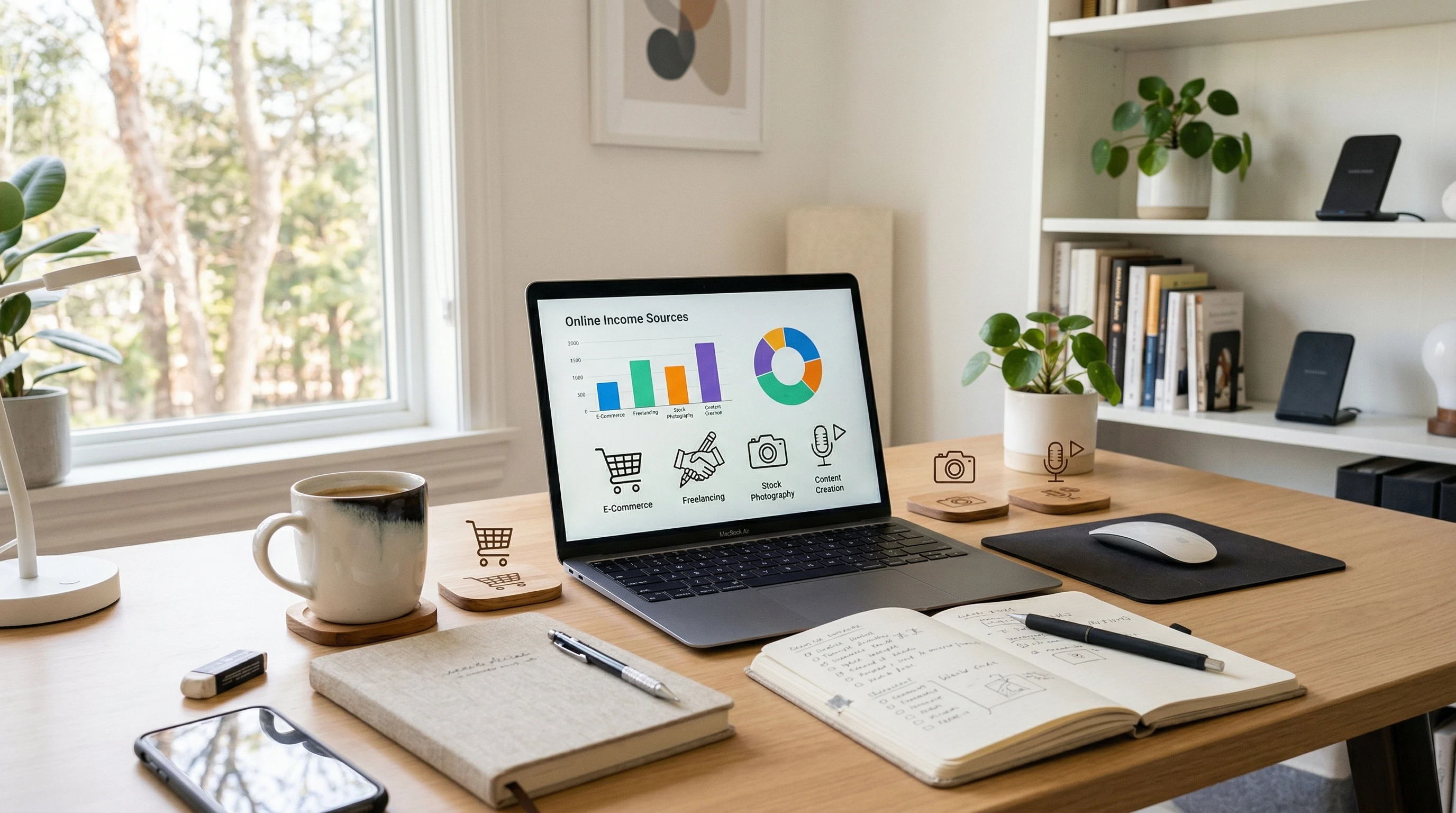
The internet makes it possible to tap into moneymaking ideas that weren’t an option even a decade ago. I’ve seen people try everything from selling crafts on Etsy, to teaching English online, to launching a YouTube channel. Some folks stick with one idea, but it’s also pretty common to combine several streams, which can make your income more stable.
Here are some of the most popular and reliable ways to earn money online right now:
- Freelancing: Skills like writing, design, coding, translation, and video editing are in steady demand. Sites like Upwork and Fiverr make connecting with clients much simpler, though building up your profile can take a bit of time.
- Affiliate Marketing: If you have a blog, website, or social media following, promoting products and earning a small reward for each sale can really add up. I’ve found this works especially well when you genuinely use or like the products you recommend.
- Printondemand & Ecommerce: Platforms like Shopify, Redbubble, and Etsy let you sell custom tshirts, art prints, or almost anything else, without huge upfront costs. Printondemand is pretty handy because you don’t need to stock inventory at home.
- Online Courses & Digital Products: If you know something valuable (like photography, coding, or even sourdough bread basics), turning your expertise into downloadable guides or classes can bring in extra money. Tools like Teachable and Gumroad make delivery easy.
- Content Creation: Running a YouTube channel, creating podcasts, or streaming on Twitch can all lead to ad revenue, brand deals, and fan support. It takes time to build an audience, but it’s also one of the most fun if you like sharing your interests.
- Stock Photography & Video: If you enjoy taking photos or filming, uploading to sites like Shutterstock or Adobe Stock can create a trickle of passive income as your work gets downloaded over time.
Each option comes with its own learning curve. Picking something that fits your interests (and schedule) tends to help you last longer and make more money in the long run.
Answering Your MostAsked Questions About Earning Online
I get these questions a lot, especially from folks hoping to hit specific income targets with their online efforts. Here’s what I’ve learned from both my experiments and chatting with others who do this full or part time.
How can I make $1000 a month in passive income?
Passive income online is possible, but it usually takes upfront effort. For $1,000 a month, you’ll want to focus on business models that let you scale over time. Here are some popular approaches I’ve seen work:
- Affiliate Websites: Building a niche site around a topic you like and filling it with helpful articles can earn money through affiliate links, display ads, or sponsored posts. It takes a few months (or more) for traffic to grow, but I’ve seen people hit $1k per month once their content picks up.
- Printondemand Stores: Platforms like Printful or Redbubble mean you can sell designs or artwork. The stores run themselves once set up, and new designs can give you a regular bump in sales.
- Stock Media: If you upload a large collection of quality images, videos, or music, those files keep selling in the background. The more you upload, the quicker you reach a nice monthly payout.
- Automated Digital Products: Whether it’s an ebook, online course, or a handy spreadsheet template, once you’ve created it, you can keep selling with very little ongoing work.
None of these are instant. I usually tell people to give it six months to a year of steady work before passive income shows up consistently. Keeping at it, updating your content, and trying new channels helps a ton.
How can I really earn money online?
There’s no single path, which is honestly a good thing. One size never fits all. If you’re looking to really earn, here are a few things that have worked for me, friends, or folks in my online circles:
- Find a Matching Skill or Interest: The best online earners I know started with something they already understood, like freelance writing, graphic design, or even editing résumés.
- Start Small, Learn as You Go: I tried a bunch of things before finding what fit. Freelancing and selling digital products both gave me quick wins to build on.
- Join Reputable Platforms: Pick trusted sites with decent support and real reviews. Scams are still out there, but sticking with the known names (like Upwork, Fiverr, Etsy, or Coursera) feels safer. For UK users, check platforms with a strong track record locally.
- Combine Multiple Streams: Most people don’t just earn from one source. You might freelance during the week, run a printondemand shop that brings in money while you sleep, and develop a side blog or YouTube channel for longerterm passive income.
The internet can feel crowded, but there’s still loads of room for new people. Staying honest, doing good work, and asking for feedback all push you in the right direction.
How to earn 1k a week in the UK?
Earning £1,000 a week is ambitious, but there are folks hitting that mark with the right setup. Here are a few practical ideas based on what’s working in the UK right now:
- Skilled Freelance Work: UK freelancers in web design, digital marketing, or copywriting sometimes charge upwards of £40 an hour. With a steady stream of clients, that weekly target is doable, especially for those who land ongoing contracts.
- Online Tutoring: English tutoring (for international learners), math or science lessons, or even music instruction can pull in £20–£50 per hour. Sites like Tutorful, MyTutor, or Preply are popular choices for UKbased tutors.
- Ecommerce (Amazon FBA or Etsy): Some sellers source trending products or create handmade goods, then build up weekly revenue through smart marketing and promotions. It takes planning and a bit of starting capital, but plenty of UK ecommerce owners break four figures weekly once they scale.
- Digital Agency: If you get good at a few related skills, like social media management, ad campaigns, or website builds, you can handle multiple clients with a small team or a few virtual assistants. This approach often goes past £1k a week, though it’s more of a business than a solo side hustle.
- HighVolume Content Channels: Some UKbased YouTube creators, bloggers, or podcasters hit this mark through ads, sponsorships, digital products, and affiliate deals combined. It requires building a loyal audience, but it’s a fun route if you like creative work.
For best results, pick something that fits local demand or stands out in a popular UK niche. Staying active in online communities, networking, and updating your skills all make a big difference, too. Keep an eye on what’s trending in the UK marketplace for fresh niche ideas.
How to make 500 pounds a month from home?
Reaching £500 a month is a pretty common first goal, perfect if you want some extra financial buffer or are seeing what’s possible online before committing more time. I’ve seen friends hit this in a handful of ways:
- PartTime Freelancing: Even five to ten hours a week in writing, admin support, or graphic design can comfortably reach £500 if the rates are solid. Virtual assistant gigs are especially friendly for beginners.
- User Testing & Microtasks: Signing up for sites like UserTesting, Prolific (popular in the UK), or Swagbucks won’t make you rich, but they can bring in nice side money with zero experience needed.
- Selling Digital Downloads: If you can make printable planners, photography Lightroom presets, or fonts, Etsy and Gumroad are simple ways to start selling instantly from home.
- Online Course Tutoring: Answering homework questions or coaching students in your specialty gives you flexible hours and fair pay. UK sites like The Profs or Superprof are good starting points.
- Remote Customer Service: Many UK companies hire parttime remote workers for email support, chat, and phone roles. These usually pay per hour and can be scheduled around your main job or studies.
Mixing and matching two or three of these side gigs makes £500 a month feel pretty reachable, plus, you gain new skills for bigger goals later. If you find yourself with free time, tackling a new microtask site or expanding your service offering can help you hit your target even sooner.
Key Tips for Getting Started and Scaling Up
Getting started can be the toughest part, but once you get rolling, things become easier to manage and grow. Here’s what’s helped me (and others) make online income more reliable:
- Choose Platforms with Good Reviews: Read up on what other users have experienced. Reddit, Trustpilot, and creator Facebook groups have loads of honest stories about which sites pay on time and which ones don’t.
- Focus on Skills That Stack: Learning how to write decent sales copy, run simple ads, edit your own videos, or even basic SEO can all increase your income over time, whatever your main hustle is.
- Avoid GetRichQuick Schemes: If something promises huge money for little work and asks for upfront fees, be skeptical. Real results usually take steady effort; there are plenty of legitimate options that don’t ask you to pay to play.
- Set Realistic Goals First: Think about what you’d actually enjoy doing for a few hours a week. Setting a first goal (£100 to £500 per month) helps you stay motivated and lets you test a few different ideas without getting overwhelmed.
- Learn from Others: Jump into YouTube channels, Discord groups, or subreddits like r/UKPersonalFinance and r/EntrepreneurRideAlong. People love sharing what’s worked and what hasn’t, so you can avoid their roadblocks.
Common Challenges (and How to Handle Them)
No setup is perfect. There are always a few bumps in the road. Here are some challenges I see a lot (including ones I’ve hit myself!) and my goto solutions:
- Slow Start: It’s totally normal not to earn much in the first few weeks or months. Building a client list or attracting consistent customers just takes time. Updating your skills, improving your profile, and asking happy clients for testimonials all speed things up.
- Platform Competition: Upwork, Fiverr, Etsy, and other big platforms are crowded. A standout profile, a unique service, or a clever marketing approach helps. Look for ways to offer something extra, like a faster turnaround, bonus resources, or bundled services.
- Burnout: Grinding for hours without results feels rough. Mixing up your routine, setting time boundaries, and focusing on higherpaying work (instead of lowpaid tasks) keeps motivation up.
- Payment Blues: Make sure you’re clear on platform payment schedules, fees, and minimum payout rules. For bigger projects or custom gigs, asking for deposits or using milestone payments can help smooth out cash flow.
Getting through the tough bits is easier with support. Joining online groups, following a few mentors, or just having one accountability buddy can make a big difference on days when things go sideways. Community really helps when you hit a wall or just need new ideas to keep moving forward.
Frequently Asked Questions
Even with all the options laid out, some questions come up all the time when people are starting out with online income. Here are a few I’m asked a lot:
Question: Do I need to register as selfemployed or pay tax on online income?
Answer: In the UK (and many other countries), even side income over a certain amount usually needs to be reported. When your earnings from freelancing, ecommerce, or affiliate marketing get close to the personal allowance, it’s worth setting up a simple recordkeeping system. The HMRC website keeps things clear, and online accounting tools (like FreeAgent or QuickFile) are super useful for staying organized.
Question: What’s the easiest way to start earning within a month?
Answer: Freelance gigs, virtual assistant tasks, and microtasks (like user testing or online surveys) usually pay out quickly, sometimes within a week or two. These aren’t usually massive amounts to start with, but they’re a good way to prove out what works for you without too much risk or setup.
Question: How long until I see results with passive income?
Answer: Most passive models, like affiliate sites, digital product sales, or YouTube channels, take at least a few months of steady work before real money starts showing up regularly. Consistency is really important. If you stick to updating, learning, and adapting, the snowball effect shows up before long.
Question: Are there online scams I should watch out for?
Answer: Definitely. Anything that asks for upfront cash to “unlock” big earnings, requests bank details way too early, or offers rates that seem suspiciously high is worth avoiding. Checking forums, doing a Google search for “platform name + scam,” and sticking with platforms that have real support keeps you safer.
Bringing Everything Together
Online income is more possible than ever, whether you want to cover your phone bill or go allin and build a brandnew career. I like how flexible these options can be. One month you might pick up extra freelance projects, and the next try your hand at printondemand or launch a little ebook. What’s worked for me, and most people I’ve talked with, is picking a starting point, learning as you go, and not being afraid to tweak your approach if something’s not clicking. If you’ve been thinking about going for it, now’s a great time to try out a couple of these ideas and see where they take you. It’s all about steady effort, learning from others, and enjoying the freedom and variety that being an online earner can bring. Keep exploring new trends and challenge yourself to add an extra skill or side gig when you’re ready—the possibilities are growing every day.