
Using social media for affiliate promotion is a pretty handy move if you want to reach new audiences, build real trust, and grab more clicks for your links without begging for attention. I’ve worked through plenty of trial and error, figuring out which platforms and posting styles actually get results. Mixing the right balance of content, engagement, and honest recommendations turns your social profiles into reliable income streams, without making your followers feel like you’re just spamming them with ads.
Why Social Media is So Effective for Affiliate Promotion
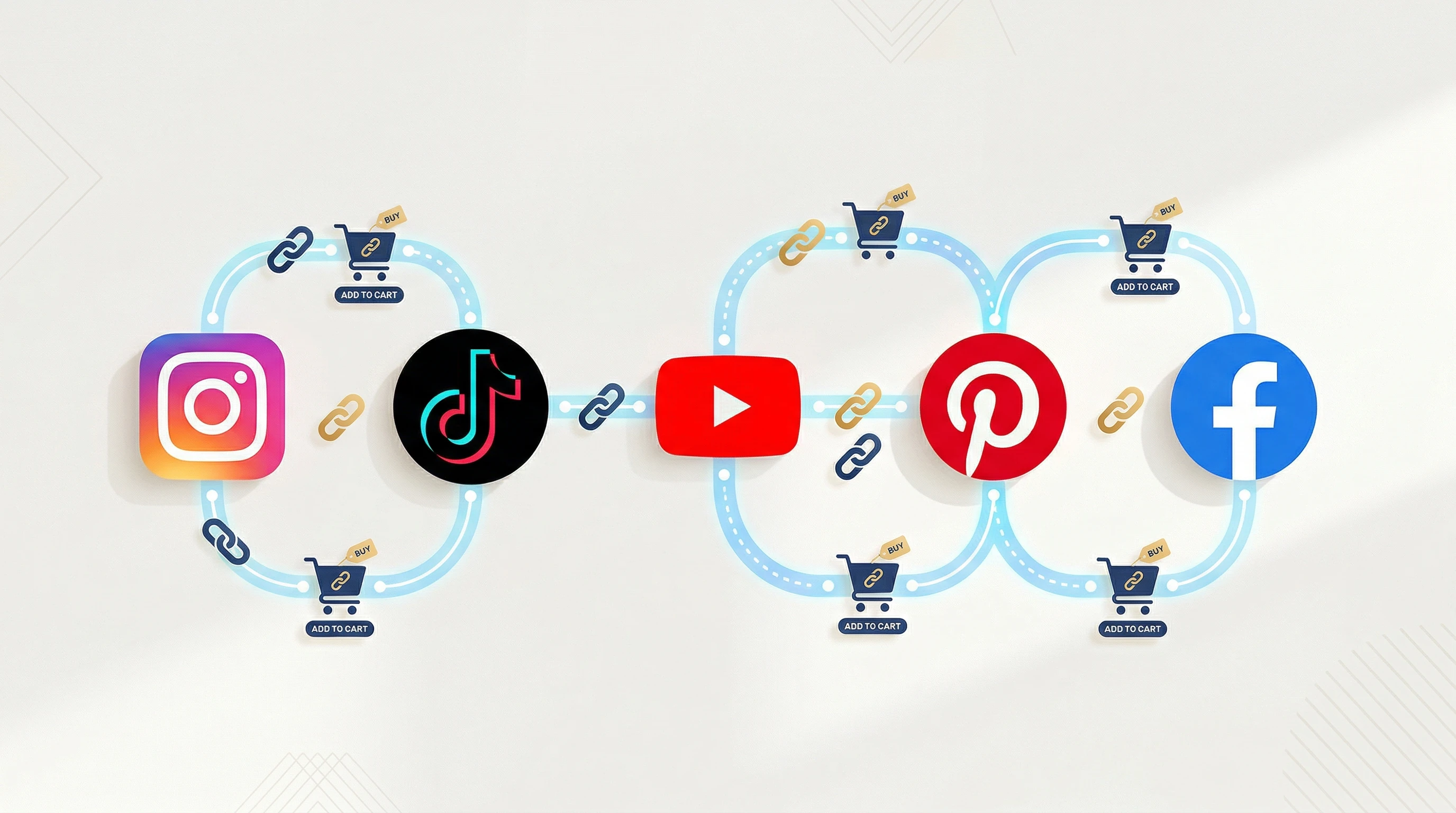
There’s a reason affiliate marketers keep their profiles active on Instagram, TikTok, YouTube, Facebook, Pinterest, and Twitter (now called X). Social platforms give direct access to people who already like, trust, and want to hear from you. Even without a huge following, niche communities or interest based groups help you reach the exact type of audience that is most likely to click your affiliate links.
Anyone can start sharing products and services they genuinely use. Personal stories, honest feedback, behind the scenes moments—these build the connection that gets people to try what you recommend. Instead of pushing a hard sell, you meet your audience where they’re spending time and make your affiliate recommendations feel natural inside their routine scroll.
Understanding Affiliate Promotion on Social Media
Affiliate promotion isn’t new, but the way you approach it on social media matters. Instead of sounding like a billboard, you get to be part of the conversation, join trends, and give quick real life updates about what works, and what doesn’t. Every network comes with its own culture. Instagram leans visual and story focused, while TikTok likes quick demonstrations or honest reviews. Twitter works best with snappy updates, threads, and tips. Pinterest and Facebook let you organize collections and build niche focused groups.
Whatever your style, staying authentic is really important. Most followers can spot a forced promotion from miles away. The products I share are truly helpful or interesting to me, making it a lot easier to field questions and talk about results without any awkwardness. The more you focus on creating content that solves problems, shares tips, or brings entertainment, the better your chances of getting meaningful clicks.
Best Social Platforms for Affiliate Marketing
Every major social media channel has strengths for affiliate promotion. Here’s how I size up the most popular spots (and what I usually recommend for first timers):
- Instagram: Perfect for stories, reels, and shoppable posts. Swipe up links, product tagging, and direct messages are all great tools for natural product sharing.
- TikTok: Video demos, tutorials, and honest reviews do well. It’s easy to go viral with tip based or reaction content that includes an affiliate angle.
- YouTube: Longer reviews, unboxing, and how tos work nicely here. You can place affiliate links in video descriptions, as pinned comments, or even as overlays.
- Pinterest: Awesome for sharing affiliate rich pins and “idea boards.” Pins last a long time and bring steady traffic.
- Facebook: Groups, pages, and stories help you reach focused communities with lots of discussion opportunities and low cost ad options.
- Twitter (X): Works well for quick opinions, trend jacking, and sharing blog posts (especially if your links are paired with useful info or commentary).
Picking one or two platforms that fit your style and where your niche hangs out is usually the best strategy. Starting everywhere at once can spread you too thin and slow your progress. Focusing tight, then expanding, helps you learn faster and make stronger connections.
Core Content Strategies: Posts, Stories, Lives, and More
If you want to promote affiliate offers without feeling spammy, your content mix really matters. Here are styles I find work for both engagement and clicks:
- Value driven posts: Share a quick tip, hack, or guide that solves a common problem, then mention how the affiliate product fits in. The product helps, not the hero, but a helpful tool.
- Stories and disappearing content: Pain free way to show quick product demos, “unboxings,” or daily routines with affiliate mentions. Stories let you add swipe ups or link stickers without cluttering your main feed.
- Live streaming: Answer questions, do real time reviews, and handle objections on camera. Lives create trust fast because people see the product or service in real use.
- Group posts and community shares: Posting inside relevant Facebook groups, Discord servers, or niche communities with genuine advice gets much better traction than blanket promoting on your own wall.
- Comparison reviews: Lay out your experience with two or three similar products, perfect for blog linked posts or YouTube videos with multiple affiliate links.
Mixing up your formats keeps things interesting for you and your audience. It also reaches followers who prefer different types of content; some love video, others just want a quick image or tip.
Following Posting Rules: The 5 5 5, 30 30 30, and 70/20/10 Rules
Even the best product won’t sell if your feed is nothing but links. Smart posting ratios keep you from over promoting and help followers stick around. Here’s what these social media rules look like in practice:
What is the 5 5 5 rule for social media? This approach means posting five pieces of your own content, five curated pieces from other people or brands, and five interactions (like comments or questions). It’s a blending style that keeps you genuine, helps you give credit to others, and starts real conversations, instead of only blasting your own links. I use this often in Facebook groups and on Twitter to balance value and interaction.
What is the 30 30 30 rule for social media? Here, the idea is to post 30% your own original content, 30% curated shares or retweets, and 30% engagement (responding to comments, DMs, or participating in community discussions). This keeps your social presence looking well rounded and trustworthy. It creates a healthy mix so you don’t feel (or seem) salesy.
What is the 70/20/10 rule for social media? Some marketers follow this formula: 70% value content (tips, stories, education), 20% shared or curated posts, and only 10% direct promotion. The ratio makes sure most of what you offer helps your readers, while still giving space for your affiliate promotions (the 10%). I lean toward this ratio when starting on a new platform or audience that doesn’t know me well yet; it helps build trust quicker.
All these approaches work, but the best style depends on your audience and platform. Swapping them out or blending them over different weeks lets you see which balance gets the most connections and the fewest unfollows.
How to Promote Affiliate Products on Social Media
Getting clicks (and eventually sales) without feeling awkward, or breaking the rules, takes a little practice. Here’s the process I stick to again and again:
- Pick products that match your niche: Smart recommendations start with genuine interest. Only share stuff you’d be comfortable using or recommending to friends. That comfort shows in your posts and replies when people ask questions.
- Create real life content: Show the product in use, share a result, demo a tip, or offer a before/after. If you’re in the finance niche, talk about how you saved money or improved your credit. In the wellness space? Show a daily supplement in your routine.
- Follow rules and disclosure laws: Most social platforms, and the FTC, require you to disclose affiliate relationships with hashtags like #ad or #affiliate. It’s also worth reading the official disclosure guidelines from the FTC.
- Make it easy to click: Use swipe ups, link in bio tools, Pinterest affiliate pins, YouTube video descriptions, or Twitter threads with clear call to actions. The easier, the more likely you’ll get clicks.
- Track what works: Use UTM parameters, affiliate dashboards, or even platform insights to see which posts or stories get the most clicks. That feedback is pretty valuable for future promotions.
- Keep things natural: Mix affiliate offers into broader conversations, answering a question, reviewing new features, or giving honest feedback on pros and cons.
Seasoned affiliate promoters use storytelling, entertainment, or helpful how tos so promotions feel like a natural extension of their usual posts, not a sales pitch tacked onto a feed.
Tips for Better Affiliate Results on Social Media
- A/B test your messaging: Try the same product angle in a story vs. a regular post, or try two different value hooks. For example, “how to use…” vs. “why I love…” Testing lets you see what language works best.
- Use trend jacking (carefully): If a relevant hashtag or trending topic fits your niche, jump in. But always make sure there’s an authentic tie, otherwise it looks forced.
- Get involved with everyone who comments: Quick replies, follow ups, or even DMs build connections and grow loyalty. If someone asks about your affiliate mention, answer honestly and quickly.
- Pin important posts: On Facebook, Twitter, and Pinterest, pin your highest converting post to the top of your feed so new visitors see it first.
- Create “resources” highlights or boards: On Instagram, bundle your best promoting links in a “favorites” highlight. On Pinterest, a single board with your affiliate picks keeps everything easy to find.
Many successful promoters tag brands (when allowed), join or start community challenges, and invite user generated content. I’ve noticed the more energy I put into being part of the conversation, the more results I see.
Things to Watch Out For: Pitfalls and Platform Policies
Pushing affiliate links comes with a few speed bumps if you’re not careful. Here are some areas I always pay attention to:
- Vary your posting: Accounts that only post affiliate links or deals usually see less trust and way fewer clicks. Mix up your posts, just like the 5 5 5 or 70/20/10 approaches suggest.
- Mind platform rules: Not every social network or affiliate partner allows direct linking. Instagram, for example, disables links in regular captions (but allows them in bios or stories), while some Facebook groups ban overt promotions. Review your affiliate program’s social media rules; some only allow you to link to a blog or landing page first.
- Avoid fake engagement: Buying followers or joining weird engagement groups (like Instagram pods) almost always messes with your reach and gets you flagged for spam.
- Don’t overdo hashtags: Hashtags are useful, but too many (or irrelevant ones) come off as desperate for reach. 3–7 targeted tags is usually plenty per post.
- Stay honest about results: Exaggerated promises or wild before/afters get flagged, lose audience trust, and can even get you suspended.
Checking in with your followers, testing new formats, and rolling with algorithm changes all help you adjust if something isn’t working, and keep your income streams steady.
Examples of Real Life Affiliate Promotions
- Instagram Story Demo: Hosting a series of daily stories showing a favorite cooking gadget in action, with “see more” or link stickers using your affiliate link.
- TikTok Routine Video: Filming a quick skincare routine using three steps, where one product is affiliate backed. Pin the affiliate link in the comments or mention “see link in bio.”
- YouTube How To Review: Sharing a side by side review of two software tools, with both affiliate links in the description and a time stamped breakdown for click through ease.
- Pinterest Resource Board: Curating a board of top productivity apps, each pin using an affiliate link with a short original description.
- Facebook Group Thread: Sharing a top five book list for entrepreneurs with affiliate links, plus inviting others to drop their own favorites in the comments.
The secret sauce isn’t chasing every single network or link; it’s building routine, showing up consistently, and weaving affiliate chat naturally into things you’d post anyway.
Frequently Asked Questions
Here are some common questions I see a lot about using social media for affiliate marketing, and my take on each one:
What is the 5 5 5 rule for social media?
This guideline nudges you to balance promotion with interaction: share five original posts, five curated (from others), and leave five thoughtful comments. It keeps things well rounded and builds stronger relationships with your audience.
How to promote affiliate products on social media?
Start by using products you truly like, then make content that solves a problem, teaches something, or entertains. Use images or video, always disclose the relationship, and focus on trust before pushing the link. Get involved whenever people reply, and use calls to action so people know where to click.
What is the 30 30 30 rule for social media?
This method suggests posting 30% original, 30% curated, and 30% engagement activities. It keeps your feed interesting and trustworthy, with a healthy balance of your own insights and connections with others in your space.
What is the 70/20/10 rule for social media?
This ratio weights your content: most (around 70%) focused on pure value, education, or entertainment, with 20% shared from others, and just 10% for direct promotion or affiliate pitches. It’s a great way to build goodwill while still bringing attention to your offers.
Bringing Social Media and Affiliate Marketing Together
Making use of social media for affiliate promotion isn’t about blasting the same link on every feed. The most reliable success comes from mixing helpful tips, honest feedback, and consistent communication, so your affiliate links feel woven into the daily flow. Picking the right platform for your style, switching up formats, and following those handy posting rules keep your followers around and interested.
If you’re still figuring out your approach, start small with one or two networks, focus on value first content, and tweak your strategy based on what clicks with your audience. Staying flexible, honest, and focused on actual conversations, not just conversions, makes social media affiliate promotion a natural part of growing an online income. Keep things real, respect what each network (and your affiliate partners) allow, and you’ll find the balance that works best for your brand.