
Finding ways to earn passive income online pretty much changed the way I approach my finances. There’s the appeal of making money with less ongoing effort. Honestly, after learning and experimenting with a bunch of options, I’ve seen that real passive income takes some upfront time and planning. I get asked all the time about how I actually do it, what’s realistic, which apps pay the most, and what rules to keep in mind. Here’s what I’ve learned and what I think works best if you’re ready to get going with passive income online.
How Passive Income Works Online
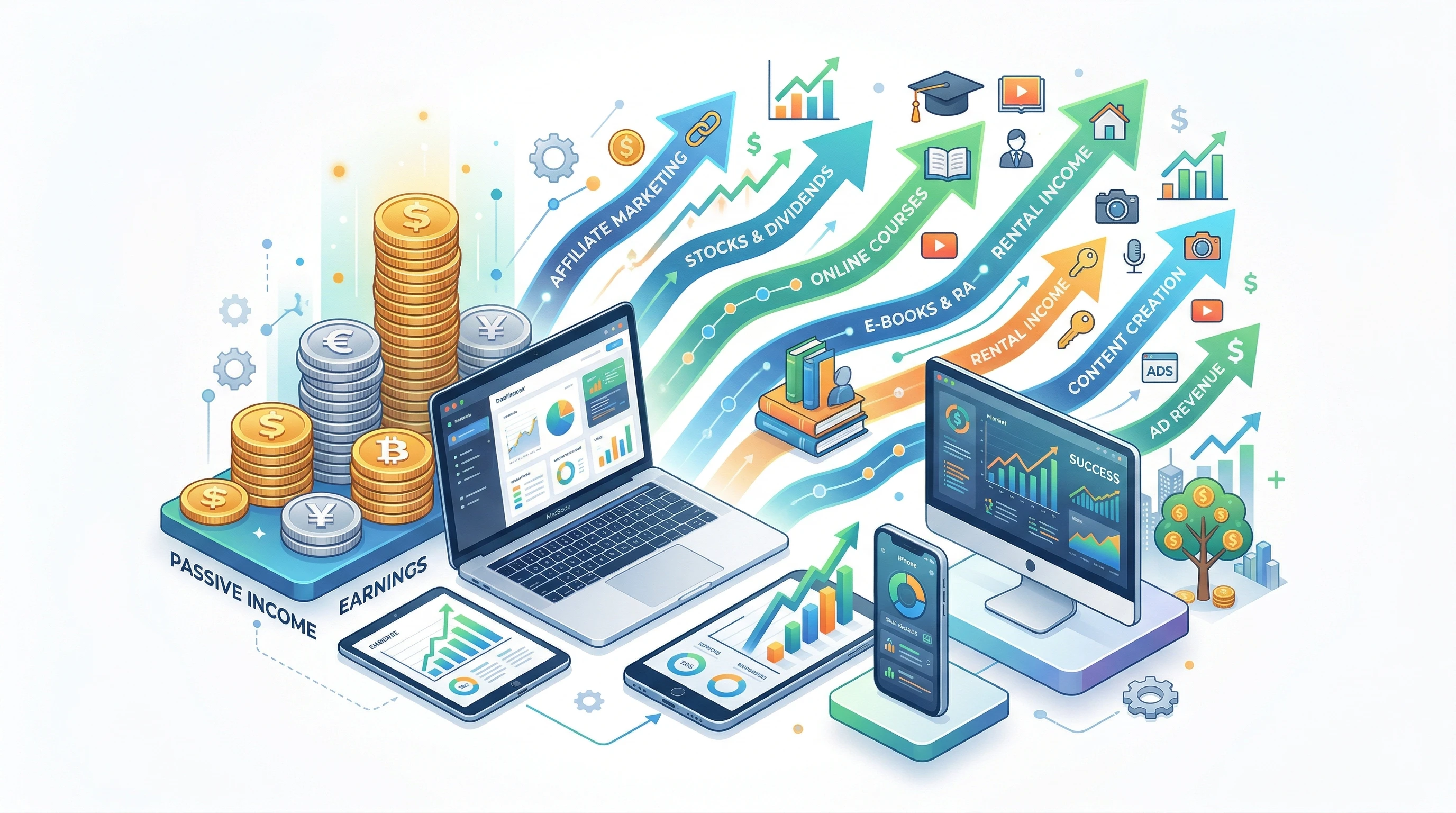
Passive income is money you earn with little day-to-day effort. It isn’t totally hands-off (at least, not at first), but once set up, it allows you to keep earning with minimal work. The coolest thing about online passive income is you don’t need to rent physical property or build a brick and mortar business. The digital world is full of tools and platforms, but it still pays to know what you’re getting into.
Some popular ways people earn passive income online include:
- Affiliate marketing: You share products or services you like (using special links), and if someone buys through your link, you get a cut.
- Print on demand stores: Create designs, upload to t-shirts or mugs, and get paid whenever someone buys.
- Online courses and eBooks: Build a digital product and collect income from each sale, often with zero extra work after launch.
- Ad revenue: Run a YouTube channel, start a blog, or create an app and earn money from digital ads.
- Dividend investing: Buy stocks that pay out dividends, and watch the deposits roll in.
Digital passive income is about putting in work now to benefit later. That can be anything from a weekend setting up a site, to weeks planning out a course or ebook. So, let’s go step by step into some of the most realistic ways to get started.
Realistic Strategies for Making Passive Income Online
A lot of online claims make passive income sound like easy money. My honest take is that it’s not “set it and forget it,” but if you’re consistent and smart about the setup, it really can become an income stream that grows in the background. Here are strategies I’ve personally tried or watched work for others:
1. Affiliate Marketing
Affiliate marketing is one of the easiest ways to start. You can do it with pretty much any platform, such as a blog, YouTube, TikTok, Instagram, or even via email newsletters. The idea is to recommend stuff you use (or genuinely believe in), then insert your unique link. When someone buys, you earn a commission. I like it because you don’t need your own product. Networks like Amazon Associates, ShareASale, and Rakuten make it accessible.
- Set up a niche site or YouTube channel around something you care about or know really well.
- Join affiliate programs that match your topics. For example, if you talk about home coffee gear, link to espresso machines or beans you’ve tried.
- Add your affiliate links to reviews, “top 10” lists, or tutorials.
With good traffic and genuinely honest reviews, earnings can build up month by month. It took me a few months to see real results, but the snowball effect is real if you stick with it.
2. Selling Digital Products
This covers everything from eBooks, guides, and recipes to templates and printable planners. If you know how to use Canva, Photoshop, or even basic PowerPoint, you can create something people want to buy. Upload to platforms like Gumroad, Etsy, or even your own site. You build it once, promote a bit, and then sales trickle in while you’re focused on other things.
You can also scale this by releasing bundles or collaborating with influencers who have engaged audiences. Digital products are particularly great because there are no shipping issues and you never run out of inventory. With each new product added, you unlock more earning potential, and as you accumulate reviews and customer feedback, your shop’s credibility grows as well. The key is to solve a problem or save people time—think meal planners, fitness trackers, or budgeting spreadsheets people use daily.
3. YouTube and Blogging with Ad Revenue
YouTube is a great example of an income stream that becomes more passive the more videos you post. The same goes for Google AdSense on blogs. These take a bit of time to grow. I found that search-friendly content (like “How to…” tutorials) consistently brings in views and ad dollars.
- Pick a topic with ongoing interest; think home repairs, money management, or cooking basics.
- Focus on building a backlist of helpful content. Over time, as people search and find your posts or videos, your ad revenue goes up.
- Repurpose content across multiple platforms, such as turning blog posts into videos or social media snippets to reach a wider audience. This method also multiplies your revenue opportunities and helps you connect with people who prefer different formats.
4. Print on Demand Shops
Print on demand is great for anyone creative but not interested in handling inventory. Sites like Redbubble, Teespring, and Merch by Amazon let you upload designs to shirts, mugs, or phone cases. Every time you get a sale, you earn a piece of the profit. I know people who simply upload seasonal graphics (think Halloween shirts in fall) and earn year after year with little to no updates.
If design isn’t your strong suit, you can hire freelancers on platforms like Fiverr or Upwork to create unique graphics for you. This way, your shop can stay fresh with trending topics or evergreen themes, all while you focus on marketing or launching new ideas. Print on demand also allows you to test various niches—if something flops, you haven’t lost inventory or capital, just a bit of time and energy.
5. Dividend Investing
If you’ve got a bit of extra money to invest, dividend paying stocks or ETFs offer a classic way to earn passive income. You get paid quarterly or annually, just for holding onto the shares. Apps like Robinhood and Webull make investing more accessible, even with small starting amounts. This isn’t flashy or instant, but the compounding effect can really add up over the years.
There are different strategies in dividend investing, such as reinvesting dividends to buy more shares or focusing on stocks with a long track record of raising payouts. Many people use a blended approach, mixing in growth stocks alongside dividend payers. Remember, starting small—with even $50 or $100 a month—creates habits and learning that pay off down the road.
For anyone starting out, the easiest entry point is usually affiliate marketing, selling digital goods, or joining ad networks if you already have a site or YouTube channel. The right pick depends on your skills, time, and how much you want to put in up front.
Building Up to $1000 a Month in Passive Income
One of the main questions I hear is, “How do I earn $1000 a month in passive income?” Honestly, it’s a big goal but it’s not out of reach, even today. Most people who make that kind of money combine several small streams instead of relying on just one. Here’s an approach I’ve found practical:
- Start with one side hustle you can realistically commit to. Maybe you begin a blog and join affiliate programs in a niche you know well.
- Batch create content; for example, 25 blog posts or YouTube videos over a few months.
- Optimize posts and videos for topics people actually search for (using SEMrush, Ahrefs, or free tools like Google’s Keyword Planner).
- As your traffic grows, add in AdSense or YouTube Ad revenue as a supplement to affiliate sales.
- Consider adding digital products (like guides or printables relevant to your topic) for another income layer.
Here’s an example breakdown I’ve seen work:
- Affiliate sales: $400/month
- Ad revenue (blog or YouTube): $250/month
- Printable sales from Etsy: $150/month
- Dividend payouts: $200/month
None of these require full-time hours once they’re set up. It’s about layering smaller wins until you hit your target. It took me about a year to cross the $1000 threshold, but consistency—even just 5 hours a week—got me there.
If you’re serious about reaching $1000 a month, set milestones and track progress weekly or monthly. This could mean aiming for your first $10 in affiliate sales, your first YouTube check, or a certain traffic benchmark. Celebrate the small wins so you stay motivated and remind yourself that growth, even gradual, will stack up over time.
Best Apps for Making Passive Income Online
There isn’t just one “No. 1 money-earning app” that covers all situations because so much depends on your style and goals. But there are a few apps and sites people rave about for building online passive income:
- Airbnb: It’s passive if you rent out a spare room or vacation property, especially if you use cleaners and automate messaging.
- Robinhood / Webull: Both offer access to dividend stocks and ETFs, letting you automate investing and reinvest dividends.
- Honeygain: An app that pays you small amounts for sharing internet bandwidth. It won’t make you rich but can net $10–$50/month passively.
- Rakuten: Earn cash back for online shopping. Activate the browser extension and forget about it, then commission payments roll in after each qualifying shop.
- Swagbucks: While it’s mostly active tasks like surveys, some parts (watching videos, browser extensions) can generate a little passive income.
Out of all these, many consider Rakuten the top choice for actual, reliable payouts for passive earnings, simply because you set it once and collect as you shop. If you’re talking about the biggest potential for an “app” that really pays, hosting or selling through Airbnb takes the win, but it requires more resources up front than a simple cashback platform.
In addition, apps like Fundrise (for real estate investing) and PeerStreet (for real estate loans) are making it possible to earn passive income even if you don’t have a lot of money to start. Many of these platforms allow automatic reinvestment, which means your earnings can keep compounding as you sleep. Always research app fees, read user reviews, and check how payments are made (PayPal, bank, etc.) to make sure it fits your goals and risk tolerance.
The Passive Income 4% Rule Explained
The “passive income 4% rule” is a pretty handy concept, especially for anyone looking to live off investments or plan for retirement. The idea comes from finance studies—mainly the “Trinity Study”—and suggests that if you withdraw 4% of your investment portfolio every year, you statistically won’t run out of money for 30 years.
For example, say you want $1000 per month ($12,000 per year) from truly passive sources like stocks and bonds. You’d need approximately $300,000 invested ($12,000 / 0.04 = $300,000). The 4% withdrawal takes into account average market gains and inflation.
Some people follow the 4% rule to retire early or to figure out how much they need to save, but it’s also pretty useful if you’re looking at building up a portfolio of dividend paying assets as part of your passive income mix. The trick is to diversify across sectors and regularly review your portfolio to keep your target withdrawal rate sustainable, particularly during economic downturns. For extra safety, some recommend a slightly lower withdrawal rate, like 3.5%.
Challenges and Tips for Earning Passive Income Online
Online passive income looks effortless on YouTube or TikTok, but there are bumps along the way. Here are a few lessons and tips I picked up after plenty of trial and error:
- Don’t expect overnight results. Most projects take a few months (or longer) to build steady profit. Early work isn’t wasted, though. The snowball ramps up over time.
- Switch things up across your streams. One source, like affiliate sales, can dry up quickly if programs change their terms. Having multiple streams, even small ones, spreads out risk and keeps cash flow stable.
- Keep learning about SEO and digital marketing. For any website or blog-based strategy, search engine optimization has a big impact on how much you earn. Tools like Ubersuggest, Google Search Console, and even online courses can boost your results fast.
- Automate whenever you can. Use scheduled content, automated email sequences, or investment apps with recurring deposits to keep things rolling even when you’re busy.
- Stay mindful of costs. Some platforms have fees, or you might get tempted to pay for unnecessary software. Keep your tech stack lean in the beginning to maximize profit.
Treating your passive income side hustle like a real business—even if it’s tiny—is really important. Simple spreadsheets to track your earnings, expenses, and ideas for improvement help you see what’s working and what needs more attention. For an extra boost, consider joining online forums or mastermind groups where people share real stories, success metrics, and honest advice about making passive income online.
Frequently Asked Questions: Real-World Passive Income Advice
A lot of people are curious but cautious about online passive income. Here are some common questions with my candid answers:
How can I make $1000 a month passive income?
Start with a single project (like a niche site, YouTube channel, or digital product), then stack new streams as that grows. Combining ad revenue, affiliate sales, and maybe dividend investing helps you reach the $1000/month goal. Put in a few hours each week to create content or grow your investment, and keep building from there.
How can I realistically make passive income?
Pick something that matches your skillset, such as writing, designing, video, or even investing. Don’t buy into “get rich quick” plans. Stick with proven ideas: affiliate marketing, courses, eBooks, print on demand, or investing in stocks and REITs. Patience and steady effort are more important than trying to chase overnight success.
Which is the No. 1 money earning app?
For most people, Rakuten gets the nod for being easy and reliable. If you’re willing to put in more work upfront, Airbnb and dividend investing apps like Robinhood can out-earn Rakuten, but need more capital or property. For pure digital and set and forget potential, Rakuten often wins for newbies.
What is the passive income 4 rule?
The 4% rule suggests that to prevent running out of investment funds, you can take out about 4% of your portfolio yearly. This often applies to retirement planning, but it’s also a helpful benchmark for building a stable, purely passive income stream from investments like dividend stocks and bonds.
Putting It All Together for Passive Income Success
Earning passive income online takes time, planning, and a bit of creativity. I’ve found that focusing first on one area, whether it’s launching a niche blog, an online shop, or a small investment plan, builds a habit and lets you learn what works for you. Mixing in several digital streams protects you from sudden changes and boosts your results. Over time, automating as much as you can helps turn busywork into background income. The best part is, once you find your rhythm, those passive earnings can be a cushion, a bill-payer, or even the beginnings of financial freedom. Keep learning and tracking your progress, and you might be surprised at how quickly your side hustle grows into a real safety net.