
If you’re looking to turn your creativity into income, content creation platforms are a great place to start. These platforms offer different tools, audiences, and ways to get paid for what you love doing, whether that’s making videos, writing, podcasting, or sharing photos. After years of experimenting with everything from YouTube shorts to paid newsletters, I’ve learned that there isn’t a one size fits all approach. Every platform has its quirks and earning setups. Figuring out which is right for you can make a big difference in how much money you pull in. I’m breaking down what works, cool ways to get paid, and real answers to questions that creators ask all the time.
What Are Content Creation Platforms?
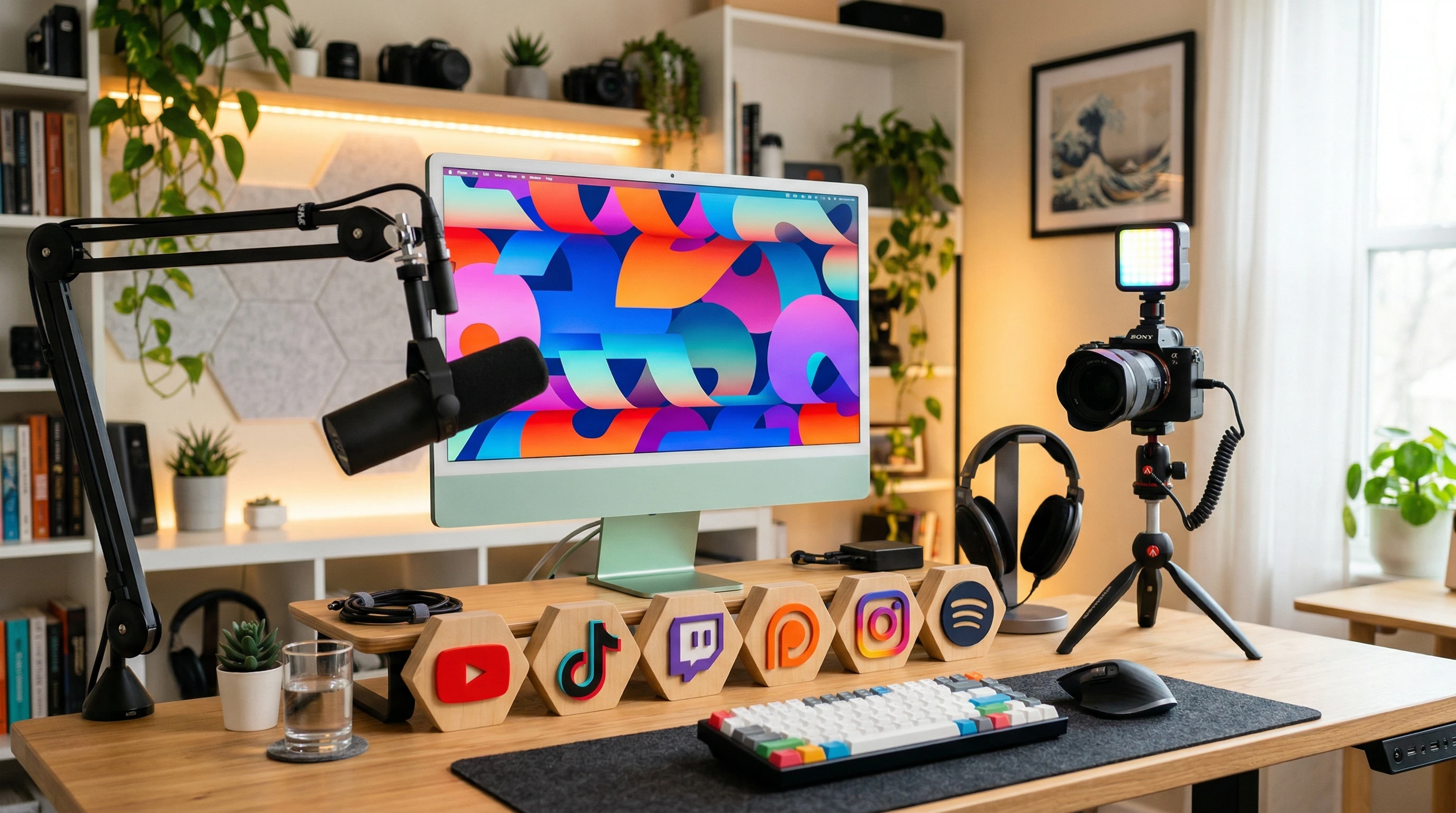
Content creation platforms are online spaces where anyone can upload, share, and sometimes sell their creative work. Some, like YouTube and TikTok, focus on short or longform videos; others, like Medium or Substack, are all about writing. You also have places like Twitch for livestreaming and Patreon for building paid memberships around your audience.
Most of these sites offer built in tools to record, edit, and publish, plus ways to reach new viewers without spending money on ads. The best part is you often don’t need fancy equipment or prior experience. Just a decent idea and some consistency can get you going. Over time, some creators have turned hobbies into fulltime jobs this way. Even if you just want some side cash, there are opportunities out there on nearly every platform.
How Do Content Creators Make Money?
There isn’t just one way to earn as a content creator. Most people use a mix of strategies to bring in steady income. Here are a few common ways creators get paid:
- Ad Revenue: Platforms like YouTube, Facebook, and TikTok share ad revenue with creators who qualify, based on video views or engagement.
- Brand Partnerships: Many creators work directly with brands to create sponsored content, review products, or post promotional messages.
- Fan Support and Memberships: Services like Patreon and Ko-fi let your biggest fans pay monthly for things like behind the scenes content, early access, or exclusive perks.
- Direct Sales: You can sell things like ebooks, presets, courses, or digital downloads on Gumroad, Etsy, or your own site.
- Affiliate Marketing: Sharing product links from Amazon, Skillshare, or other retailers lets you earn a cut if followers make a purchase through your link.
Some platforms also pay bonuses for hitting view or engagement goals. A few offer tipping or paid shoutouts during live sessions. If you can get creative and mix a few of these methods, you can build multiple income streams for more stability month to month. Many creators also experiment with new tools as they launch, which helps keep their earnings dynamic and futureproofed.
Choosing the Best Platform for Your Content and Income
Picking a content creation platform really depends on what you want to do and where your audience likes to hang out. Here’s a rundown of the top platforms people use to earn money right now, along with some reasons why each one stands out:
- YouTube: The goto spot for long and shortform video. Video ads, memberships, and Super Chats during livestreams are all big earners. Once you meet the minimum requirements, YouTube’s Partner Program is one of the most reliable ways to make money as a creator.
- TikTok: Best for short, viral videos. TikTok pays through its Creator Fund (or Creativity Program) and brand deals. Some top creators also offer merch or work with sponsors. Earnings vary a lot depending on follower engagement.
- Twitch: Built for live video. You can earn with subscriber only streams, tips (bits), and sponsorships. Works best if you enjoy interacting live with viewers and building a community.
- Patreon: Popular for artists, podcasters, and anyone who wants to offer premium content with a monthly membership model. This can be one of the most stable sources of income if you have a loyal following.
- Substack and Medium: Great for writers and newsletter creators. Both platforms support paid subscriptions, and you keep more control over your audience than traditional social media.
So what’s the best platform to earn money as a content creator? In my experience, YouTube is usually the first place people think of when it comes to steady payouts and huge reach. But the “best” platform is really the one that fits your style and builds a loyal following. Some creators earn more from a few hundred loyal Patreon subscribers than from having thousands of YouTube followers. It’s worth trying a couple of platforms to see which feels most natural for your work and goals. You can find tips from creators on The Verge or read up on official earning FAQs from the platforms themselves.
The expansion of social media and new video formats has made the creator world much bigger than ever. For those just starting out, that explosion of options can feel overwhelming. Yet it also means anyone can find a platform that fits their personal style and audience. Whether you prefer quick tips, humor, detailed explainer videos, or curated newsletters, there’s now a place for everyone to meet their audience and get rewarded for quality work. Make sure to look at what successful creators in your niche are doing on multiple platforms.
Can You Really Earn Money from Content Creation?
Yes. Anyone can start earning, even with a small following, though total earnings tend to grow as you build trust and scale your audience. I’ve seen people with a tiny follower base earn a few bucks a month from niche newsletters, and I’ve also watched friends hit six figures a year with podcasts or channels that blew up.
How much you’ll make usually depends on your consistency, content quality, engagement, and how well you use the platform’s tools. While superstars are rare, smaller creators can still pick up extra money for things like groceries, gear, or even rent. Many creators combine different sources like affiliate sales, ad revenue, and direct tips to bring in more reliable cash over time.
If you want to see steady progress, consider joining online communities where creators share stats, tips, and encouragement. Reddit threads, Facebook groups, and Discord channels focused on creators can help you troubleshoot, brainstorm, and get a feel for real earning numbers. Peer feedback and collaborations can also give a big boost to your growth rate and overall earnings potential. Remember, the key is testing what works for you and sticking with a strategy for at least a few months before switching things up.
Getting Started: Steps for New Content Creators
- Pick Your Main Platform: Decide if you’re more comfortable with video, writing, audio, or images. Signing up is usually free, so you can try a few before focusing in on one.
- Create a Simple Content Plan: Brainstorm topics you know well or like talking about. Planning a bunch of posts at once helps you stay consistent, which is super important for growing on most platforms.
- Learn Some Basic Tools: Most platforms come with builtin editors for simple projects, so you don’t need to buy software at the start. Mobile apps like CapCut or Canva can help you step things up without a big learning curve.
- Set Up Monetization: Check each platform’s earnings requirements. For example, YouTube asks for 1,000 subscribers and 4,000 watch hours before you can run ads, but Patreon or Ko-fi let you collect payments immediately after joining.
Starting with simple gear and a positive mindset is more important than having the fanciest camera or mic. Your smartphone and free editing apps can do the trick at first for most content types. As you gain experience and audience feedback, you can invest in upgrades at your own pace.
How Much Can You Really Make on Popular Platforms?
Earnings swing wildly based on the platform, audience, and your content’s niche. Here’s what you might expect from the biggest platforms:
YouTube: What Does It Take to Make $10,000 a Month?
To earn $10,000 per month on YouTube, you typically need millions of monthly views, but the exact number depends on the niche, country, engagement, and ad types. Most creators find that ad revenue ranges from $2 to $5 per thousand views for regular content, sometimes more for profitable topics like tech or finance.
As a ballpark, hitting $10,000 usually means pulling in around 2 to 5 million views a month, assuming average ad rates. Channels focused on personal finance or business might hit that target with fewer views since advertisers pay more. You can track estimates and trends on resources like Influencer Marketing Hub.
TikTok: How Many Followers Do You Need to Make $2,000 a Month?
The number of TikTok followers needed for $2,000 a month depends less on the actual follower count and more on video engagement (i.e. views, likes, shares). Most TikTokers making that much aren’t just earning from the Creator Fund—they’re also working with brands or running side hustles like merch sales.
As a rough average, creators say you need at least 100,000 engaged followers, regularly putting out videos that hit hundreds of thousands to millions of views each month. A few viral hits plus smart sponsorships and affiliate marketing often push monthly earnings over the $2,000 mark. Building an authentic relationship with your viewers encourages them to support you in various ways, such as buying your merchandise or subscribing to your page.
Patreon, Substack, and Fan Supported Sites
Platforms like Patreon or Substack pay out differently. Earning $1,000 to $2,000 a month often means having 100 to 200 paying subscribers, which can feel more stable than relying on unpredictable ad revenue. With a loyal audience, you don’t need millions of fans—just a core group who loves what you do and wants more access.
Fan supported sites can provide more direct feedback as well. Subscribers often leave comments or vote on what they’d like to see next, making your creative process a two way street and deepening your connection with your core audience. Consistently delivering value encourages more signups and longer retention among your most dedicated fans.
Strategies to Boost Your Earnings as a Creator
- Focus on Community: Respond to comments, DMs, and emails. Getting involved with your followers helps build loyalty (and turns some fans into paying supporters).
- Repurpose Across Platforms: Re edit YouTube clips for TikTok or Instagram Reels, or turn blog posts into mini newsletters. This saves time and helps you reach more viewers without starting from scratch each time.
- Try Affiliate and Brand Deals Early: Even small creators can partner with brands in their niche or use affiliate links. Just be honest with followers about paid partnerships to build trust.
- Set Small Goals: Instead of chasing huge numbers, aim for milestones like “first 1,000 subscribers” or “$100 month.” Tiny wins add up and keep you motivated when growth feels slow.
Being open about your earnings journey and sharing both wins and setbacks can make your content more relatable. Your audience cares about real stories, not just highlight reels. Being transparent about the ups and downs of content creation can draw your audience closer and build loyalty, leading to even more support and engagement over time.
Don’t forget to update your content strategy as you learn more. The more you experiment and listen to your audience, the faster you’ll spot patterns that work for you. Monitoring analytics helps you see which topics or formats are most effective and where tweaks can lead to better results—financial and creative alike.
Things to Watch Out For as a New Creator
- Platform Rules: Get familiar with monetization guidelines. Some platforms have rules about copyrighted music, sensitive topics, or sponsored content. Reading up in advance can save you headaches later and keep your account in good standing.
- Inconsistent Payouts: Ad revenue can swing a lot during slow seasons. Algorithms change often, so having a few income sources keeps you safe if one drops.
- Burnout: Pushing for daily uploads or constant posting is exhausting. Batch your content, take breaks, and avoid comparing yourself to huge creators who have teams helping out.
- Privacy and Boundaries: Protect personal info and only share what you’re comfortable with. Setting limits helps you keep enjoying the work longterm.
Testing small changes, like tweaking your posting schedule or trying new types of videos, can help you learn what your audience actually wants. Staying adaptable is super important since platforms roll out new features and earning options all the time.
Frequently Asked Questions
I get tons of questions about earning from content creation platforms. Here are some quick, no nonsense answers to the stuff people ask most:
What is the best platform to earn money as a content creator?
YouTube continues to be the top pick for people who want steady income and lots of ways to monetize, thanks to its massive user base and ad program. But many creators pull in more on Patreon, Substack, or TikTok depending on their niche and style. Trying two or three platforms at once helps you figure out where your content and earnings grow fastest.
Can you earn money from content creation?
Absolutely. Even a small following or niche topic can bring in side income, and some creators go fulltime after building up consistency and multiple income streams. Patience and experimenting with different monetization strategies usually pays off over time.
How many TikTok followers do I need to make $2,000 a month?
Most creators making $2,000 or more a month have at least 100,000 followers with regular, high engagement videos (typically in the hundreds of thousands to millions of views each month). Partnering with brands and using affiliate links can help reach that income even sooner, since ad revenue alone isn’t usually enough at lower follower counts.
How many YouTube views do I need to make $10,000 per month?
Earnings depend on your niche, country, and how viewers interact with your content. On average, reaching $10,000 in ad revenue takes around 2 to 5 million monthly views, but it can be higher or lower based on topic and audience. Channels in profitable niches like tech, finance, and business might get there faster. Having memberships, sponsors, or selling merch can help hit $10,000 months with fewer total views.
Can I switch platforms later?
No problem. Many creators evolve or switch focus as trends change or they outgrow certain sites. Repurpose your older content, direct your audience to the new platform, and test new tools as you go. Being flexible helps you keep earning even if algorithms or popular formats mix it up.
Do I need expensive gear to start?
Not at all. Many top creators started filming on their phones in their bedrooms. Over time, you might invest in a better camera, mic, or editing software, but it’s often more about story and consistency than having pro gear at the start.
How can I protect myself from scams or copyright issues?
Always review the rules on each platform about licenses, music use, and brand deals. If in doubt, ask for examples from successful creators or reach out to the platform’s support channels. Using only material you own or have rights to will keep your account safe. Be cautious of offers that seem too good to be true or require you to pay upfront fees.
Is it better to team up or go solo as a content creator?
Both approaches have upsides. Teaming up with others can help you mix in some variety, reach different audiences, and share the workload. Going solo lets you control the creative vision and pace. Many creators start alone, then join forces for collaborations once they establish their own identity.
Key Takeaways for Content Creator Earnings
Merging your creative energy with the right content creation platforms can make earning online less complicated and more fun. Whether your thing is short comedy, detailed explainer tutorials, live gaming, or newsletters, there’s a way to build a following and bring in income.
Success as a creator doesn’t always mean millions of followers. It’s about building real connections, staying consistent, and testing new moneymaking tools as you grow. Start small, be open to change, and keep learning as you go. You’ll be surprised how much progress you can make in just a few months when you combine a smart strategy with content you actually enjoy making.
If you ever feel stuck or run low on motivation, remember there’s a whole ecosystem of creators out there who’ve faced similar hurdles. Don’t be afraid to reach out, ask for advice, or join community groups that support creative work. One small step at a time, you can grow not just your income, but your skills and creative confidence along the way.