
Growing an email list is one of those things that sounds simple until you try to do it consistently. I’ve experimented with plenty of listbuilding tactics over the years and seen what works, what fizzles, and what gets people excited to stick around for more. A wellcrafted list puts you in direct contact with your audience, giving you a way to share insights, updates, and even the occasional offer—without worrying about social platform algorithm changes disrupting your reach. Here’s how I approach building and keeping an email list that’s worth having, plus answers to some of the most common questions about making it work for affiliate marketing, how the 5 C’s fit in, and where the famous 80/20 rule comes in handy.
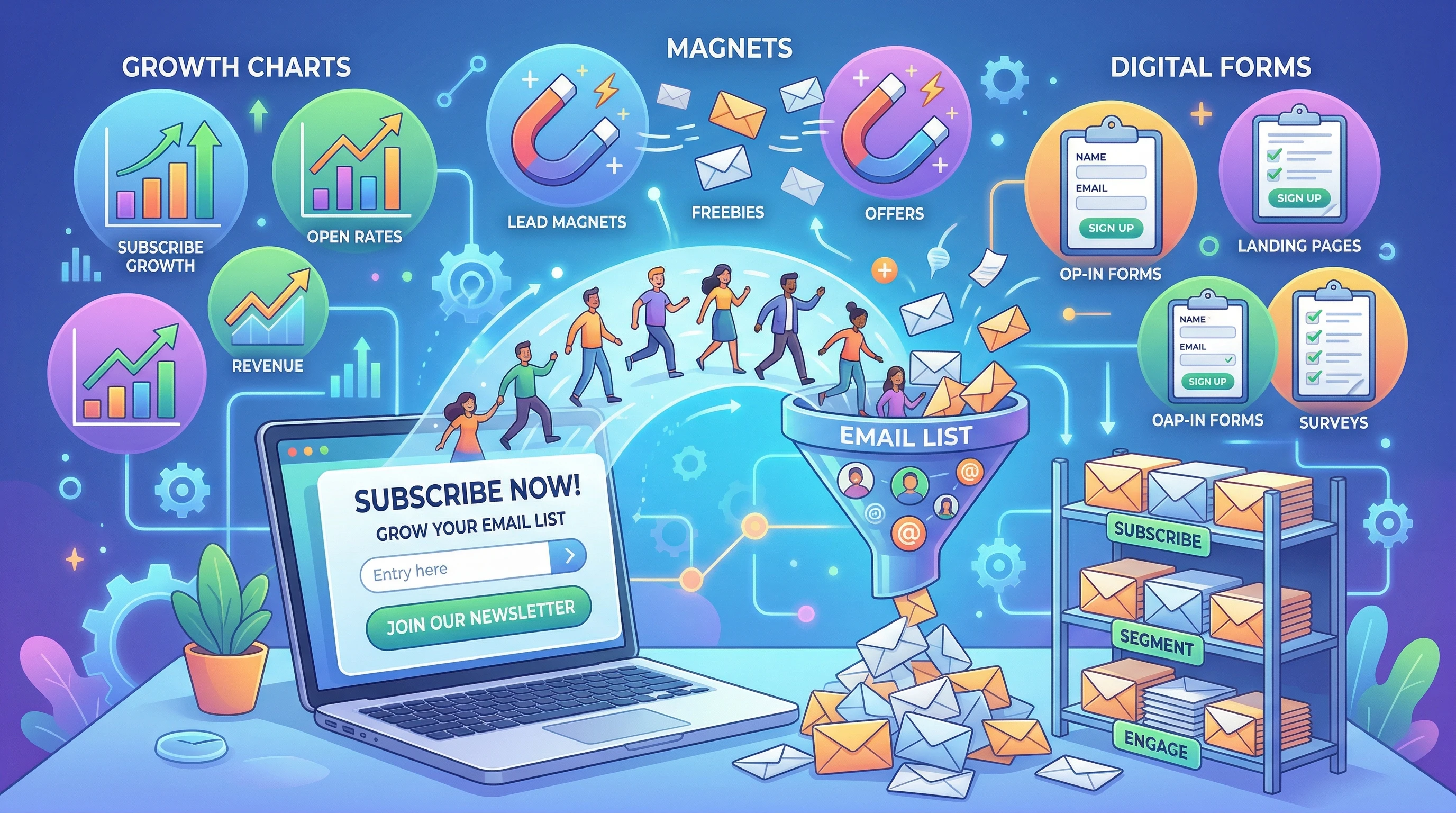
Why Building an Email List Is Worth Your Time
I get asked a lot if email marketing still matters with all the social and messaging platforms out there. My answer is always yes. Here’s why: email gives you a direct, reliable line to your audience. If Instagram or Twitter closes your account or switches their rules, your email list stays yours. You control how you connect, what you share, and when you interact with your subscribers. Plus, people who hand over their email addresses are already interested in what you have to say, making them way more likely to buy, share, or just become true fans.
Email offers a high return on investment (ROI), with averages reported as high as $36–$42 for every dollar spent, depending on the industry. That’s not just hype; it’s feedback I’ve noticed in my own campaigns and from others who invest time into their list. Email allows for a personal touch, and that helps your message stand out in a crowded digital world. Whether you sell products, promote affiliate links, or just want to build a loyal community, your email list remains the foundation you can count on, even as other platforms come and go.
How Do I Build an Email List?
Getting started can feel intimidating, but once you nail the basics, it’s mostly about staying consistent. Here’s my stepbystep playbook for building an email list from scratch, whether you’re blogging, running a business, or collecting subscribers as an affiliate.
- Pick a Reliable Email Service Provider. Don’t just stash emails in a spreadsheet. Use tools like MailerLite, ConvertKit, or Mailchimp. These tools help automate, organize, and keep you legally compliant. They also save you time and offer templates for beginners and advanced features for growing your list.
- Create an Irresistible Lead Magnet. People need a solid reason to give out their email. I’ve found that checklists, guides, free courses, templates, or downloadable tools work pretty well. The key is to offer something that solves a specific problem for your target audience. The more closely your lead magnet matches your audience’s needs, the better your sign-up rate will be.
- Design Simple Signup Forms. Nobody wants to fill out a dozen fields. Keep it simple—usually just name and email works best. Streamlined forms get higher conversions, especially on mobile devices where short forms are much easier to complete.
- Place OptIn Forms Strategically. Don’t rely on just one signup box. Use popups, slideins, header bars, and inline forms within blog posts or landing pages. I add mine wherever it feels natural, like after explaining a problem or before wrapping up a good tutorial. By making your forms easy to find, you make it easy for people to join your list when it interests them most.
- Drive Traffic to Your Lead Magnet. Share it on social, inside blog posts, via guest appearances on podcasts, or in community groups. The more people see your offer, the more signups you’ll get. Combine organic promotion with paid ads later on if you want to scale more quickly.
Once folks join your list, make sure to send a quick welcome email, thank them, and deliver your lead magnet fast. This builds trust and shows you care about their inbox. Welcome sequences are also a great way to introduce your story and what new subscribers can expect from future emails.
The 5 C’s of Email: What They Mean and Why They Matter
The 5 C’s are a handy framework for anyone looking to improve their email list results. These are:
- Clarity – Messages should be super clear and easy to understand. Skip the jargon. Tell readers exactly what the email is about, right from the start.
- Consistency – Show up in subscriber inboxes on a regular schedule. Whether it’s weekly, biweekly, or monthly, just don’t disappear for long stretches.
- Connection – Write like you’re chatting with a friend. Share personal stories, real results, and helpful tips. People stick around longer when they feel a real connection.
- Credibility – Be honest about what you offer, and disclose any affiliate partnerships. Point readers to sources if you quote data and always deliver what you promise.
- Call to Action – Always include a clear next step, whether it’s replying to the email, checking out an article, or grabbing an affiliate deal.
Keeping these 5 C’s in mind when sending emails is pretty handy. It helps shape each message so subscribers know what to expect, trust you, and interact with your content. If your emails follow this approach, you’ll naturally build a stronger bond with your audience and improve your email marketing over time.
The 80/20 Rule in Email Marketing
The famous 80/20 rule, or Pareto Principle, applies just as well to email: 80% of your results often come from 20% of your efforts. When building a list, this usually means a handful of emails or offers drive the most clicks, sales, or engagement.
For me, that looks like spending most of my time on the handful of campaigns, lead magnets, or content upgrades that drive the most subscribers—or focusing on relationshipbuilding instead of pure selling. In general, try to send 80% value-driven and educational content, with only 20% being promotional. This balance keeps subscribers engaged and less likely to unsubscribe, while also making each offer feel more special when you do send it. If you want your audience to stick around, treat the sales messages as a bonus and focus on being genuinely useful most of the time. That way, when you do share something for sale, people actually pay attention and are more likely to buy.
How to Build an Email List for Affiliate Marketing
Building an email list for affiliate marketing shares a lot with general listbuilding, but there are a few details worth paying attention to. Here are the tweaks I’ve found especially useful for affiliatefocused lists:
- Choose a Niche Audience. Don’t go too broad. Think about which group you want to help—camping enthusiasts, digital nomads, home cooks, and so on. Tailoring your lead magnet and emails to this group means your eventual affiliate offers will actually be relevant to them, which increases your chances of making a sale.
- Use Content Upgrades Linked to Affiliate Products. If you’re recommending a certain gadget or tool, offer a related downloadable checklist (“5 Best Blender Recipes” for a kitchen gear affiliate, for example) in exchange for an email signup. This keeps your list highly targeted and warms up your audience to future recommendations.
- Set Expectations Early. Be up front that your newsletter may include product recommendations or deals. This keeps things open and builds trust from day one. Transparency is key—if readers know what to expect, they’ll be more receptive and less likely to unsubscribe suddenly.
- Segment Your List. Track which products or categories subscribers are interested in by using tags or segments. This way, they only get offers they want, making them far more likely to buy and less likely to tune you out. Segmentation also makes your list feel more personal and less like generic mass marketing.
- Automate with ValueFirst Sequences. Before sending lots of offers, deliver genuinely helpful info—guides, tips, or personal stories—so people get to know and trust you. Affiliate suggestions work better when people already see you as helpful, not just someone selling random products.
Also, always keep up with affiliate program rules and email marketing regulations specific to your region and industry, so your goodwill with subscribers isn’t derailed by compliance issues. A professionally managed affiliate list can become your most consistent revenue channel over time, provided you keep your value high and your sales minimal but on point.
Cool Features and Tools That Make List Building Easier
Email marketing platforms are packed with features that streamline the process, and a few are especially worth checking out:
- Autoresponders – Automatically send welcome emails or engaging multiday tutorials to new subscribers. These build rapport and save you time.
- Tagging/Segmentation – Track which links people click, then send targeted offers or updates only to readers who showed interest in a certain topic or product. Highly targeted messages get better engagement.
- Landing Page Builders – Craft standalone signup pages focused on one offer or topic. These can boost signup rates compared to cluttered website pages, especially if you promote them using ads or collaborations.
- Integrations – Connect your email service to ecommerce carts, webinar tools, or online courses to automatically add customers or attendees to your list. This automates growth as your business expands.
Most major platforms (like ConvertKit, AWeber, MailerLite, and Mailchimp) offer these, so it comes down to your preference and budget. The right tool depends on your needs, but it’s worth exploring each platform’s demo or free plan before locking one in. Investing in the right email platform from the start can save you hours of hassle down the road and help you scale much more smoothly.
Practical Tips to Avoid Common Pitfalls
- Avoid Spam Traps. Don’t buy email lists. Always get permission before adding someone and make it easy to unsubscribe if they’re no longer interested. Your reputation depends on good practices.
- Keep Your List Clean. Every few months, remove or reengage folks who never open your emails. A small active list always beats a big, inactive one. High open rates boost deliverability, meaning your messages are less likely to be filtered as spam by major providers.
- Test Subject Lines. Your open rate depends on the first impression. A/B testing helps you see which style resonates with your audience. Play around with curiosity, specificity, or numbers to see what gets results.
- Comply with Laws. Always include your physical address and an unsubscribe link per CAN-SPAM, GDPR, and similar laws. Reputable email services handle most of this automatically, making compliance less stressful.
- Don’t Rush the Sales Pitch. If someone just joined, nurture that relationship for a bit before going hard on affiliate offers. People unsubscribe quickly if they feel they’re just on a list for sales. Take time to deliver value, build rapport, and your audience will be more receptive when you do promote something.
Getting and Keeping Subscribers Engaged
Having a list isn’t much good if people tune you out. Here’s what I do to keep readers opening my emails and sticking around:
- Tell Stories. Share personal experiences or quick anecdotes tied to your topic. People connect with stories, and they remember you for it. A story can make even a regular tip or affiliate offer feel more human and memorable.
- Ask For Replies. Include questions or mini-surveys in your emails. Not only does this build real conversations, but replies can actually boost your deliverability by signaling to email providers that you’re not spam.
- Change Up Your Email Format. Don’t send the same style of email every week. Alternate between tips, roundups, stories, and direct Q&As. Adding in a quick poll or image now and then keeps things interesting too.
- Celebrate Subscriber Wins. If someone replies with a success story based on your advice, share it (with permission) in your next newsletter. This motivates others to take action and reminds everyone you’re building a real community—not just a sales channel.
Another bonus: Run periodic feedback surveys to see what your audience wants to hear about, what they’re struggling with, and which links they click most. This helps you tailor your content and serve your subscribers better over time.
List Building Examples: What Works and Why
- Mini Courses. A 5day email challenge or a mini course packs serious value and gives people a reason to stay subscribed. Teaching in bite-sized chunks builds trust and anticipation, and people tend to share free courses with friends, growing your reach organically.
- Exclusive Giveaways. Giving subscribers early access to products, beta features, or giveaways is a fun way to incentivize signups and shares. Make your offer distinct—early bird access usually feels like a bigger perk than a generic sweepstakes.
- Recommended Resource Emails. Send a monthly roundup of your favorite tools, books, or products with short blurbs and affiliate links. Make sure to explain why each one made your list—that personal touch matters and helps establish your credibility.
- Collaborations. Team up with others in your niche to co-host webinars or bundle lead magnets, helping both of you grow your lists faster. Finding a likeminded partner doubles your reach without doubling your workload and brings fresh expertise to your audience.
Another great idea? Host a Q&A where new subscribers can respond with their questions or struggles. Respond to a few in your emails, and you’ll show you’re listening and care about your readers’ success.
Frequently Asked Questions
Question: How do I actually grow my email list if I’m just starting out?
Answer: Start by making one simple, valuable lead magnet, then share it everywhere you have an audience—your website, social profiles, even in your email signature. Focus first on your existing contacts and encourage word-of-mouth. Over time, branch out and get more complex with automations and segmentation, but don’t overthink it at the start. Consistency beats complexity when you’re just getting going.
Question: What are the 5 C’s of email, and why should I care?
Answer: Clarity, Consistency, Connection, Credibility, and Call to Action. These five concepts help you craft emails that people actually want to read, making your list a place people look forward to hearing from, rather than just another promotional channel.
Question: What is the 80 20 rule in email marketing?
Answer: It means roughly 80% of your results are going to come from 20% of your efforts. Focus most of your attention on the few emails, sequences, or tactics that drive the biggest engagement and value, and make sure at least 80% of your content is helpful or educational, with no more than 20% directly promoting stuff. This keeps your audience happy and your offers effective.
Question: How do I build an email list for affiliate marketing without annoying people?
Answer: Always add value first. Share honest opinions, personal experiences, and resources your subscribers can use, even if they don’t buy anything. Be transparent about your affiliate relationships. Segment your audience so the right folks get the right offers, and don’t overdo promotions—think quality over quantity. Keep your pitches timely and relevant and subscribers will appreciate what you offer.
Question: What’s the fastest way to build a big list?
Answer: There are no real shortcuts; you might see fast growth with paid advertising or viral giveaways, but steady organic growth from genuinely useful content gives you the best longterm engagement and conversions. Focus on reputation and trust rather than just numbers; your list will pay off more in the long run.
Pointers for List Building That Lasts
Building a quality email list takes time, but steady effort pays off. Pick one or two strategies to start, stay consistent, and focus on serving your audience. The results won’t always be instant, but I’ve found the trust and engagement you get from a well-nurtured list is worth more than any quick viral win. Over time, your emails become a welcome part of your subscribers’ routines and a foundation for pretty much anything you want to build, whether that’s a business, a side hustle, or a great community around what you love. If you want to dig into listbuilding strategies or email marketing laws, sources like Mailchimp’s email marketing guides or the FTC’s compliance guide have loads of practical, easy-to-follow info. Keep learning, keep testing, and enjoy watching your list (and business) grow.